Gum disease is one of the most common oral health problems affecting adults in the United States, yet many people do not recognize the warning signs and gum disease symptoms until the condition has progressed to a serious state. According to the Centers for Disease Control and Prevention (CDC), nearly 42% of adults age 30 and older have some form of periodontitis, which is the more advanced stage of gum disease.
At Ideal Dentistry in Sacramento, CA, we believe education and early intervention are the keys to protecting your smile. Understanding gum disease symptoms, common gingivitis causes, and available periodontal treatment options can help you maintain healthier gums and avoid long-term dental complications.
What Is Gum Disease?
Gum disease, also called periodontal disease, is an infection and inflammation of the tissues that support your teeth. It typically begins with plaque buildup along the gumline. Plaque contains bacteria that irritate the gums and trigger inflammation. Without treatment, the infection can spread deeper below the gums and can damage the bone that supports your teeth. There are two primary stages of gum disease, gingivitis and periodontitis.
What is Gingivitis?
Gingivitis is the earliest and least severe form of gum disease. At this stage, the damage is usually reversible with professional dental care and improved oral hygiene habits.
What is Periodontitis?
If gingivitis is left untreated, it can, unfortunately, progress into periodontitis. This more advanced condition can lead to gum recession, bone loss, loose teeth, and eventually tooth loss.
What Causes Gum Disease?
Many patients ask, “What are the first signs of gum disease?” Before symptoms appear however, several underlying factors are often found contributing to the condition.
Common Gingivitis Causes Include:
- Poor brushing and flossing habits
- Plaque and tartar buildup
- Smoking or tobacco use
- Diabetes
- Hormonal changes during pregnancy or menopause
- Dry mouth
- Certain medications
- Genetic predisposition
- Chronic stress
- Infrequent dental cleanings
The American Dental Association (ADA) explains that gum disease develops when bacterial plaque is not removed effectively from the teeth and gums. Over time, this inflammation can damage the tissues supporting the teeth.
What Are the First Signs of Gum Disease?
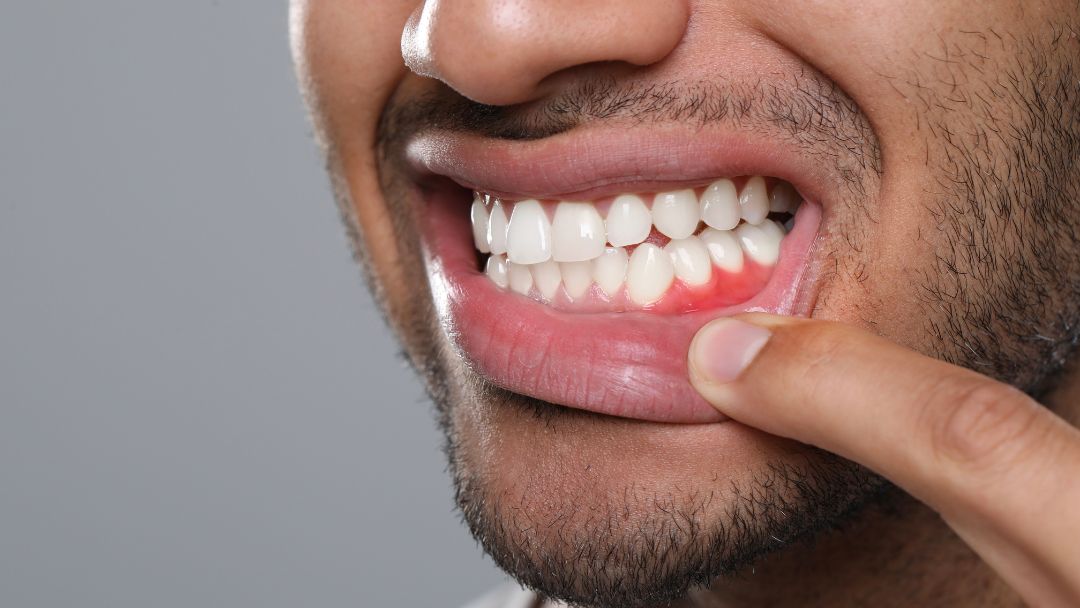
Recognizing early gum disease symptoms can help prevent permanent damage. Unfortunately, many people ignore mild symptoms because they are painless in the beginning.
Early Signs of Gum Disease Include:
- Red or swollen gums
- Bleeding when brushing or flossing
- Persistent bad breath
- Tender gums
- Gum sensitivity
- Plaque buildup along the gumline
The CDC notes that bleeding gums are one of the most common indicators of gingivitis. Healthy gums should not bleed during brushing or flossing.
As gum disease progresses, symptoms may become more severe and include:
- Receding gums
- Teeth appearing longer
- Deep pockets between teeth and gums
- Loose teeth
- Pain when chewing
- Changes in bite alignment
Various Stages of Gum Disease
Understanding the progression of periodontal disease is important so that you understand why early diagnosis matters.
Stage 1: Gingivitis
At this stage, inflammation affects only the gums. Professional cleanings and improved home care can often fully reverse the condition.
Stage 2: Mild Periodontitis
Bacteria begin attacking the bone and connective tissues around the teeth, and small periodontal pockets may form.
Stage 3: Moderate Periodontitis
Bone loss worsens, gum recession increases, and teeth may become more sensitive or loose.
Stage 4: Advanced Periodontitis
Significant tissue and bone destruction often occur. Teeth may shift, loosen, or require extraction.
Evidence-Based Periodontal Treatment Options
The good news is that gum disease can often be managed effectively with prompt care. At Ideal Dentistry, we provide personalized periodontal treatment plans designed to stop infection, reduce inflammation, and preserve your oral health.
Professional Dental Cleanings
For patients with gingivitis, routine cleanings are usually enough to remove plaque and tartar buildup above the gumline.
Scaling and Root Planing
This deep cleaning procedure removes bacteria and hardened deposits beneath the gums while smoothing tooth roots to encourage healing.
Antibacterial Therapy
In some cases, antimicrobial rinses or localized antibiotics may help reduce bacterial infection.
Periodontal Maintenance
Patients with ongoing gum disease often benefit from more frequent cleanings every three to four months.
Surgical Periodontal Treatment
Advanced cases may require gum grafting, pocket reduction surgery, or regenerative procedures to restore damaged tissue and bone.
How to Recognize Gum Disease Symptoms and Prevent Gum Disease
Preventive care remains the best defense against periodontal disease because it’s much easier to avoid problems, than to remedy them.
Healthy Habits for Healthier Gums Include:
- Brush twice daily with fluoride toothpaste
- Floss every day
- Schedule regular dental exams and cleanings
- Avoid tobacco products
- Maintain healthy blood sugar levels
- Eat a balanced diet
- Stay hydrated
The ADA and CDC both emphasize that consistent oral hygiene and regular professional care are essential for preventing gum disease and protecting your overall health.
Protect Your Smile at Ideal Dentistry in Sacramento, CA
Learning the early signs of gum disease can make a major difference in preserving your smile. If you notice bleeding gums, persistent bad breath, or gum tenderness, seeking prompt dental care may help to prevent more serious complications.
At Ideal Dentistry in Sacramento, CA, our entire team provides compassionate, evidence-based periodontal treatment that’s tailored to your needs. If you think you are experiencing early gingivitis or have more advanced gum disease symptoms, we are here to help restore and protect your oral health! Get in touch by calling (916) 585-4597, and we’ll discuss the right plan for you.